
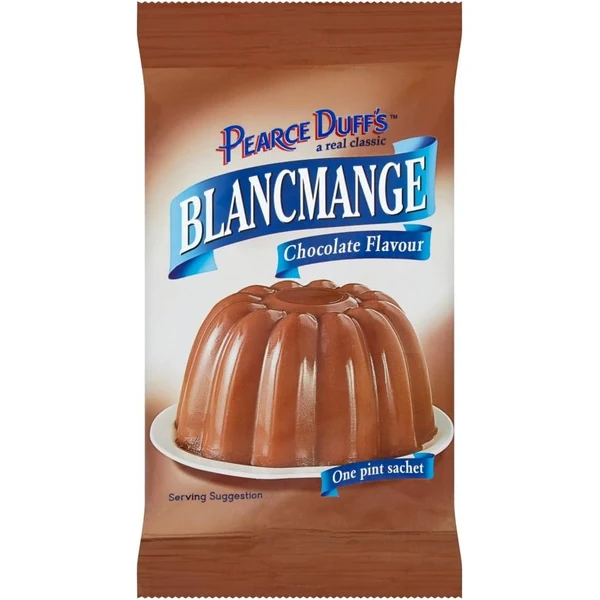
Chocolate Flavour 41g
Cocoa-forward sachet for a darker pudding that pairs well with cream or a grating of dark chocolate.
Check Price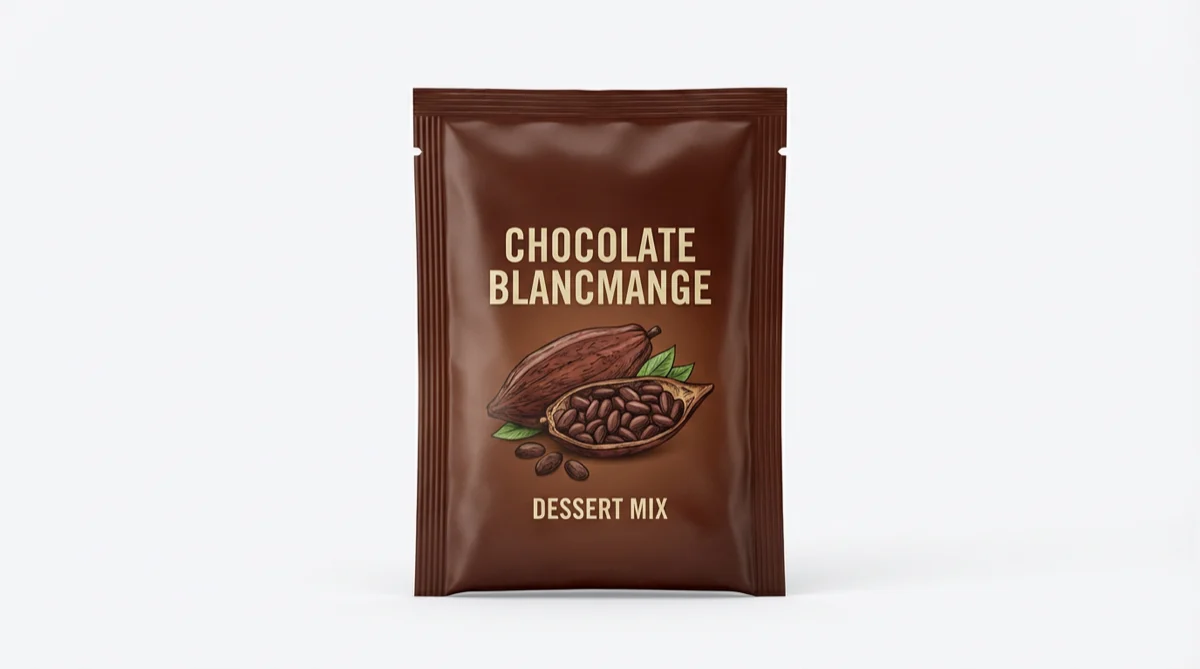
Flavour guide
Cocoa depth, a satin-brown set, and the comfort of a cold pudding after a savoury main.
Start with the cocoa sachet, then keep a multipack handy when guests want fruit flavours too.
Cocoa-forward sachet for a darker pudding that pairs well with cream or a grating of dark chocolate.
Check Price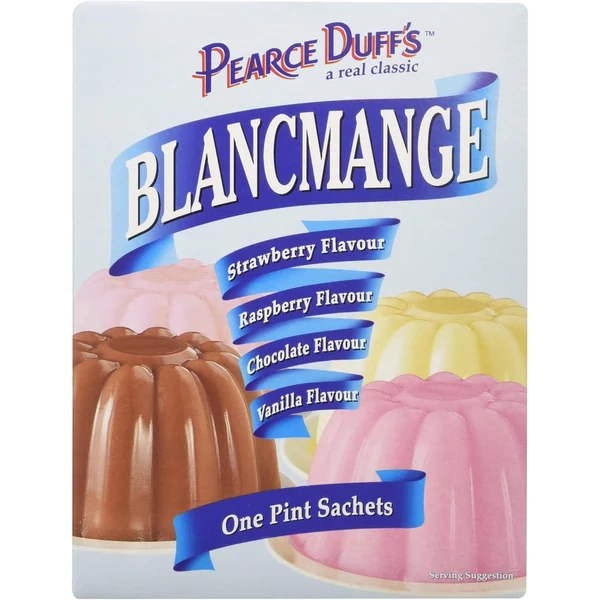
Strawberry, raspberry, chocolate and vanilla sachets in one family pack for classic wobbly puddings.
Check Price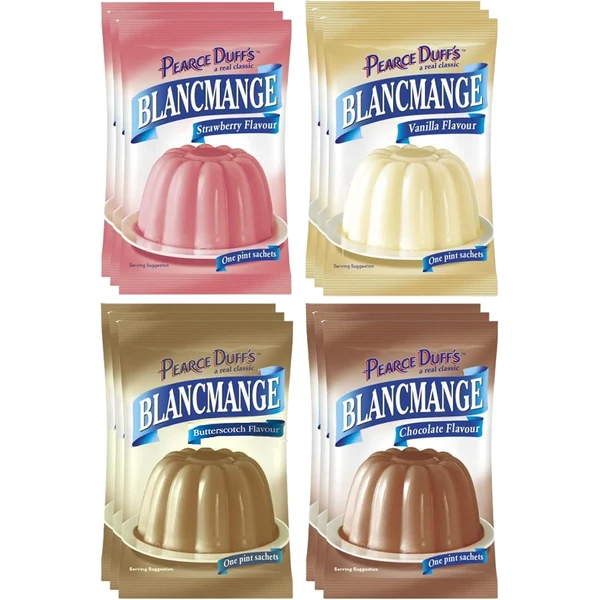
A twelve-sachet mix of strawberry, vanilla, butterscotch and chocolate for bigger batches and parties.
Check Price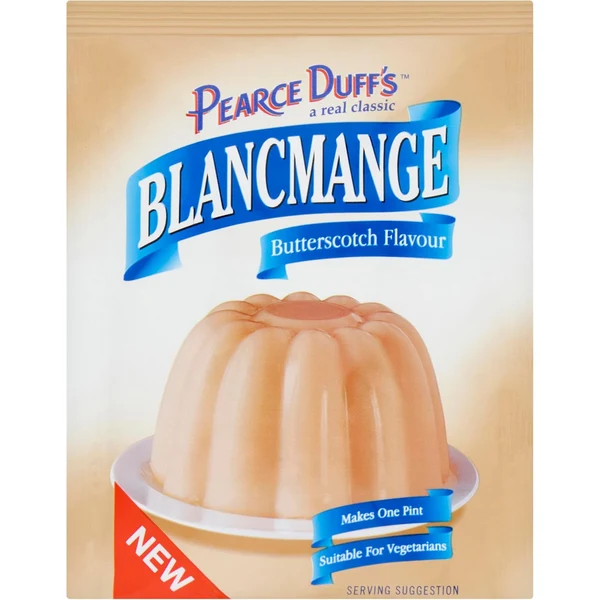
Buttery toffee note in a single sachet—handy when you want a warmer flavour than fruit or cocoa.
Check PriceChocolate blancmange powder brings cocoa notes to the same cornflour-thickened milk structure as other sachets in the range. The colour is typically a soft brown rather than the near-black of a chocolate mousse, because milk dilutes the mix and the starch mutes shine. What you gain is an everyday pudding that feels indulgent without demanding eggs or gelatine.
Method-wise, treat it like any blancmange: warm the milk, whisk in the powder to avoid lumps, bring briefly to the boil while stirring, then pour and chill. Cocoa particles can make scorching slightly more likely if you walk away from the pan, so keep the heat moderate and use a heavy-based saucepan if you have one.
Toppings lean savoury-sweet. A grating of dark chocolate over the chilled surface melts just enough to look glossy. A spoonful of crème fraîche cuts richness. For children, banana slices and a drizzle of thin caramel sauce turn the bowl into a weekend treat without much extra work.
Pairing with other flavours on the same menu is easy. After a roast dinner, chocolate blancmange follows naturally from gravy-heavy plates. If you have already served a fruit-forward starter, consider strawberry or raspberry instead so the meal does not repeat the same axis of sweetness.
Texture issues mirror the rest of the category. Over-boiling tightens the set; under-cooking leaves a sloppy centre. If the surface skins while cooling, press cling film gently onto the custard before refrigerating, or pour into individual pots where a little skin becomes less obvious.
Coffee lovers sometimes dissolve a small amount of instant espresso into the warm milk before adding powder. That hack nudges the flavour toward mocha; start with a quarter teaspoon so you do not overpower the sachet’s own balance. Similarly, a pinch of sea salt can heighten cocoa perception, but add it off the heat and taste carefully.
For layered desserts, chocolate makes a dramatic middle band between vanilla layers or red jelly. Allow each tier to chill until firm so the colours stay distinct. A clear glass bowl shows off the strata and sparks conversation at the table.
Shopping comparisons should include cocoa percentage claims on packaging, though most mixes do not quote figures. Instead, read ingredient order: cocoa powder listed higher usually means a deeper taste. Check yield per sachet if you are feeding a crowd; doubling batches works only when your pan is large enough to heat the extra volume evenly.
Allergen panels matter because chocolate products sometimes share production lines with nuts. If a guest has coeliac disease, verify whether the starch blend is certified gluten-free; cornflour itself is gluten-free, but cross-contact varies by factory. Dairy-free cooks will need plant milk and often a different dessert altogether, because the behaviour of starch with oat or almond milk is not identical to cow’s milk.
Leftovers keep like any cooked milk pudding. Cover tightly, refrigerate, and consume within a couple of days. Do not freeze; ice crystals wreck the silky gel. If you must transport a mould to a party, sit it in a cool bag with an ice block rather than leaving it in a warm car.
Historically, chocolate blancmange sat alongside pink and vanilla versions on canteen trolleys. Today it appeals to adults who want nostalgia without baking a cake. The powder format respects busy schedules yet still lets you claim you “made pudding” because the stirring and chilling happened in your kitchen.
Seasonal twist: add a drop of peppermint extract at Christmas, or top with crushed honeycomb at Easter. In summer, serve smaller portions with fresh cherries. The base recipe stays the same; only the garnish changes.
When you are planning a shop, see our where to buy notes for typical UK outlets. The homepage also explains how cornflour-based blancmange powder behaves in general, which helps if this is your first sachet in years.
Finally, embrace imperfection on the first attempt. If the unmould sticks, scoop the pudding into bowls and call it deconstructed. The flavour will still win over anyone who grew up with similar desserts. Clean pans and fresh milk remain the quiet secrets behind the best results.
Weeknight rhythm matters: chocolate blancmange can be started after washing up the main course pans, then left to set while you watch a programme. By the time the credits roll, it is cool enough for the fridge. That workflow suits parents who want a guaranteed pudding without firing the oven again.
If you teach older children to cook, chocolate is a forgiving introduction to starch-thickened sauces. Supervise the hob closely, but let them whisk and pour. The reward is confidence in reading a packet, measuring milk, and respecting chill times—skills that transfer to savoury cooking later.
Recording small tweaks in a notebook—milk brand, pan size, exact seconds of boil—helps you reproduce a perfect batch months later when memory fades, especially if you switch supermarkets often.
Harriet Cole writes from Norwich. Always follow your packet instructions and adjust toppings to suit your household.