
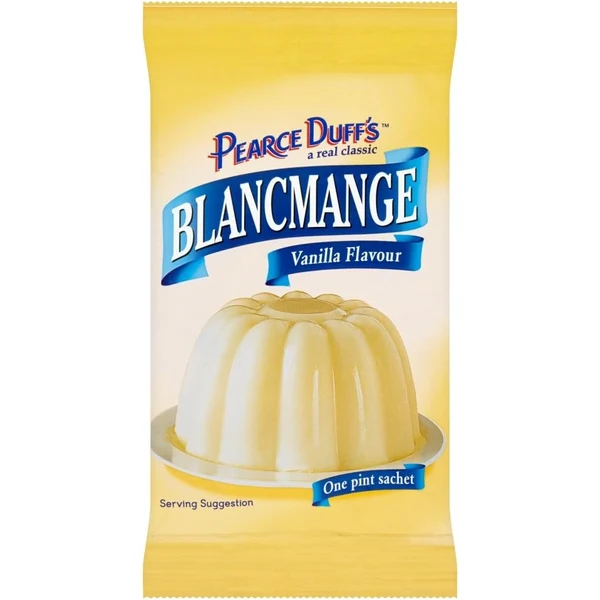
Vanilla Flavour 35g
Mild vanilla sachet that sets cleanly with hot milk—ideal for trifles, nutmeg dusting or a plain mould.
Check Price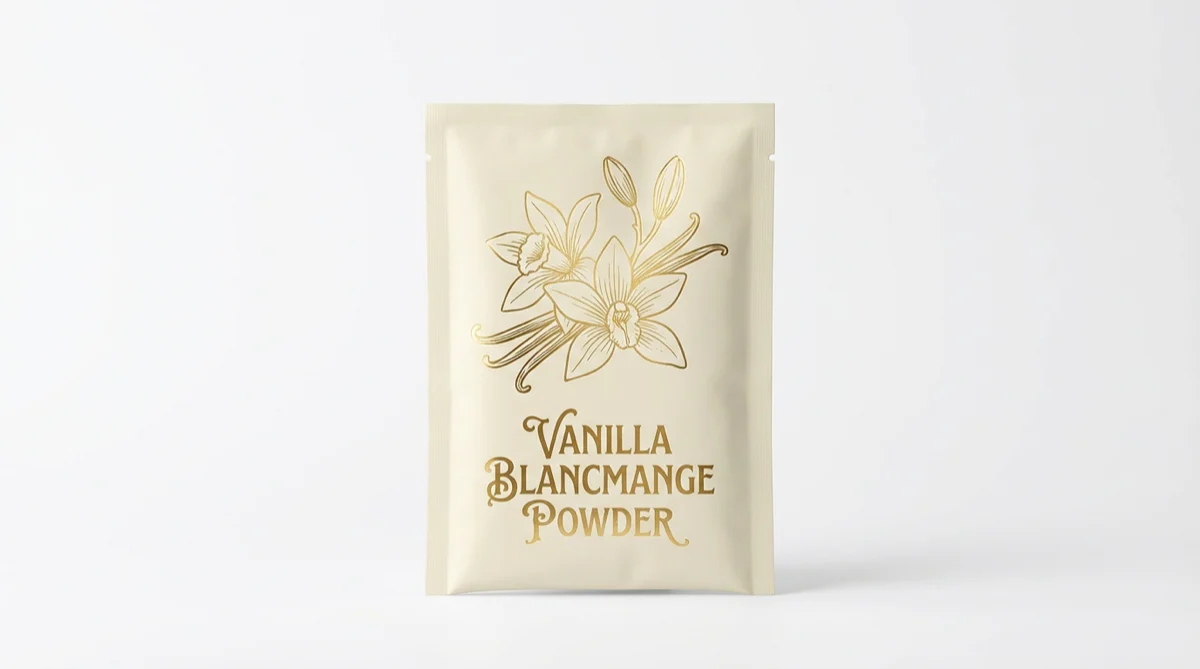
Flavour guide
The neutral star of the line-up: pale, perfumed, and ready for nutmeg, spice, or trifle layers.
The mild vanilla sachet leads the line-up, with multipacks and butterscotch for variety nights.
Mild vanilla sachet that sets cleanly with hot milk—ideal for trifles, nutmeg dusting or a plain mould.
Check Price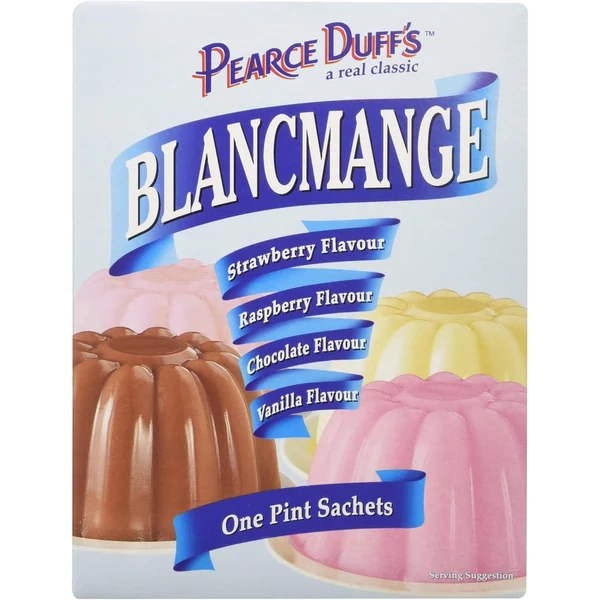
Strawberry, raspberry, chocolate and vanilla sachets in one family pack for classic wobbly puddings.
Check Price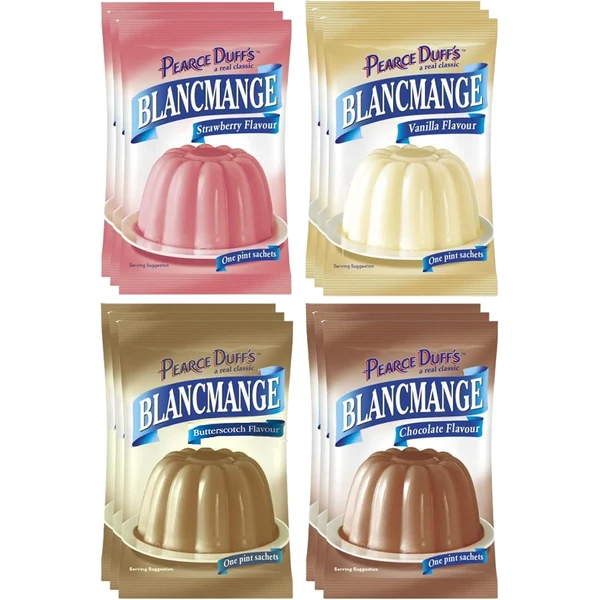
A twelve-sachet mix of strawberry, vanilla, butterscotch and chocolate for bigger batches and parties.
Check Price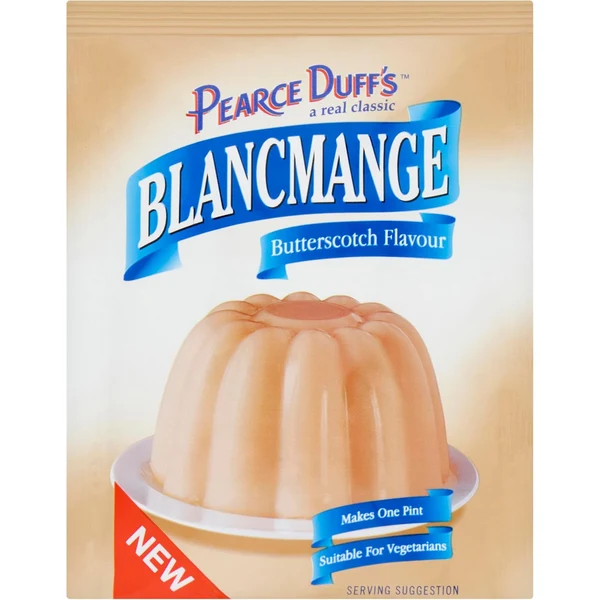
Buttery toffee note in a single sachet—handy when you want a warmer flavour than fruit or cocoa.
Check PriceVanilla blancmange powder is the workhorse flavour in most British ranges. It carries the same cornflour backbone as strawberry, chocolate, or raspberry, but the taste stays deliberately mild so you can steer the dessert with toppings, spices, or adjacent layers.
Cooks who remember school dinners often recreate the experience with a dusting of nutmeg and a pale ivory set. The powder does the thickening; your grater does the nostalgia. For a more contemporary finish, try tonka bean shavings or a few drops of good-quality vanilla paste added off the heat—check compatibility with your packet’s instructions first.
Trifle construction loves vanilla blancmange because it does not fight sherry-soaked sponge or bright jelly. Pour a thin layer, chill until firm, then repeat. If you need contrast, alternate with a fruit-flavoured jelly or a darker chocolate layer in a separate bowl for guests who want both options.
Technique reminders apply across the range: sprinkle powder into warm milk while whisking, bring to a gentle boil, stir constantly, then chill. Vanilla’s pale colour shows flecks if you forget to dissolve fully, so take an extra pass with the whisk before the mixture thickens. Sieving is not vanity—it is insurance.
Milk choice shapes mouthfeel. Whole milk yields the creamiest slice; semi-skimmed still sets well for everyday puddings. If you blend milks, write down ratios when you hit a texture you love. Small notebooks save arguments about why last Christmas’s batch felt “different.”
Sweetness perception changes with temperature. Taste the warm mixture cautiously—it will read sweeter than the chilled result. Resist dumping in extra sugar unless the packet invites it; you can always add syrup at serving time.
Infusions open creative doors. Steep a split vanilla pod in the milk for ten minutes before continuing, or add a cinnamon stick during warming and remove before boiling. Citrus zest works if you strain before pouring. Each tweak nudges the sachet toward bespoke without demanding a full from-scratch custard.
Children’s parties benefit from vanilla’s blank canvas. Let them scatter hundreds-and-thousands or edible flowers on top once the pudding is set. The base stays reassuringly familiar while the decorations change with the theme.
Adults might prefer poached pears, toasted flaked almonds, or a puddle of cold espresso poured tableside. Because vanilla blancmange is visually subtle, choose plates with a rim to catch sauces and keep the presentation tidy.
Storage and safety follow standard dairy rules. Cool quickly after cooking, refrigerate covered, consume within a few days, and never refreeze. If transporting, keep the dish level and cold; vanilla shows cracks more obviously than darker colours if it slumps.
Shopping guidance overlaps with other flavours: compare servings per box, note allergen statements, and check for gluten cross-contact if that matters to your household. Some value lines use slightly different starch blends; first attempts should be treated as calibration batches.
When planning menus, vanilla can bridge courses. It follows spicy mains without amplifying heat, and it precedes cheese boards if you serve petite portions. Pairing wine is flexible; many hosts skip it altogether and offer tea instead.
Meal-prep enthusiasts sometimes pour vanilla blancmange into jars on Sunday for weekday lunchboxes, topping with compote each morning. The set holds well if jars were sterilised and seals are clean.
For festive tables, unmould onto a mirror tile or ceramic plate with a gold rim; the ivory pudding picks up candlelight beautifully. Add sugared cranberries in December or primrose petals in spring—always verify decorations are food-safe.
If you run short on time, vanilla also works as a filling between sponge layers when whipped lightly after setting—an unconventional hack, but one that home bakers report when improvising.
Our where to buy page lists typical UK retail channels; the home page walks through general blancmange powder behaviour if you are new to sachet puddings altogether.
Ultimately, vanilla rewards patience at the stove and restraint at the garnish stage. Let the milk shine, let the cornflour do its job, and let your guests decide whether to keep it plain or pile on the extras.
Community-hall organisers often choose vanilla when feeding mixed generations because it avoids berry stains on clothing and chocolate marks on rented tablecloths. Portion with a sharp knife dipped in hot water between cuts for the neatest slices.
If you halve a sachet without official guidance, weigh powder and milk proportionally on digital scales rather than eyeballing half a measuring jug—starch ratios punish guesswork. Write outcomes down so the next halved batch matches the first.
Thermomix or multicooker owners sometimes adapt recipes using gentle stirring modes; still verify the mixture reaches a safe boil for starch activation. Manual whisking remains the universal benchmark if automated programmes confuse you.
Brunch hosts can cube set vanilla blancmange and thread onto skewers with melon for a playful starter—unexpected, yet still recognisably milky and mild.
Documenting favourite garnishes on recipe cards helps relatives recreate your signature vanilla blancmange long after the dinner party ends.
Harriet Cole, Norwich. Manufacturer directions always take priority over editorial suggestions.