
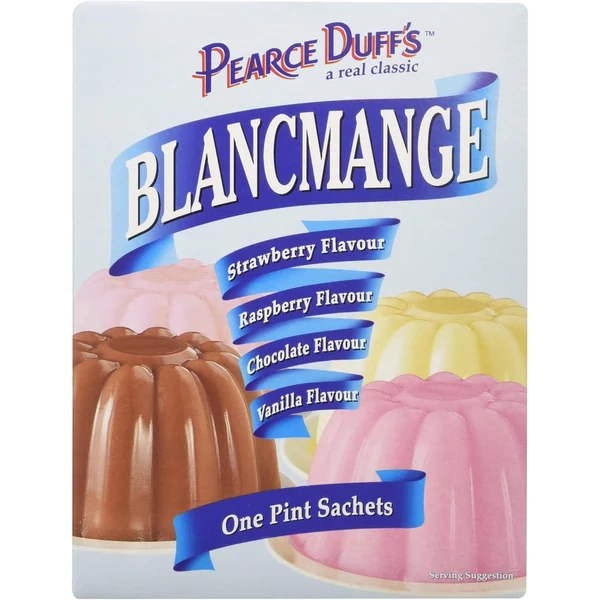
Four Flavour Pack 146g
Strawberry, raspberry, chocolate and vanilla sachets in one family pack for classic wobbly puddings.
Check Price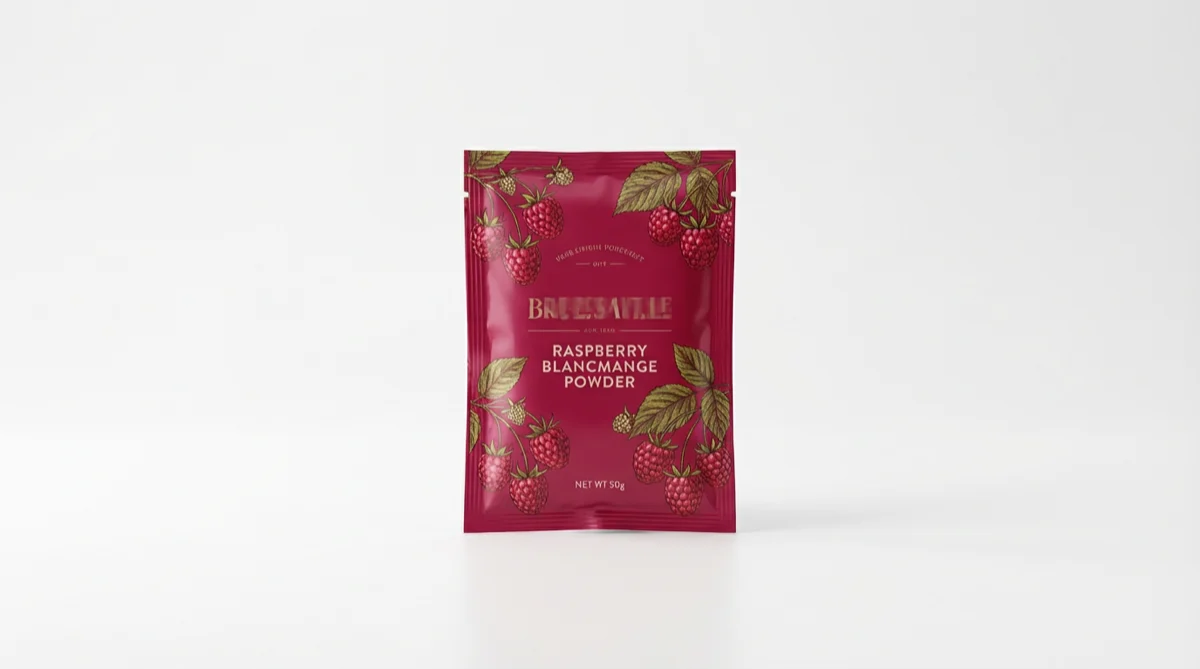
Flavour guide
A brighter fruit note than strawberry, with a colour that reads ruby-pink when set.
Assorted packs that cover raspberry alongside vanilla and chocolate for layered or side-by-side puddings.
Strawberry, raspberry, chocolate and vanilla sachets in one family pack for classic wobbly puddings.
Check Price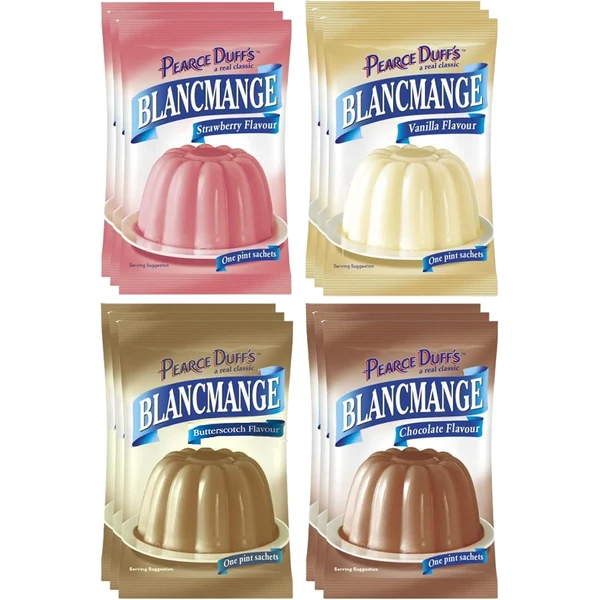
A twelve-sachet mix of strawberry, vanilla, butterscotch and chocolate for bigger batches and parties.
Check Price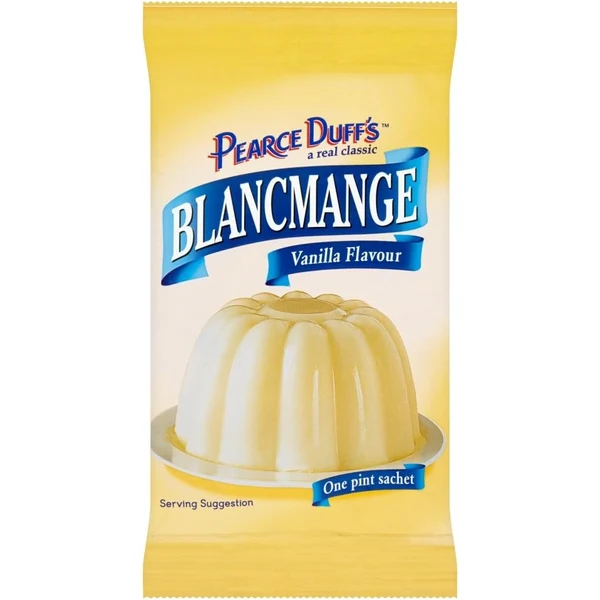
Mild vanilla sachet that sets cleanly with hot milk—ideal for trifles, nutmeg dusting or a plain mould.
Check Price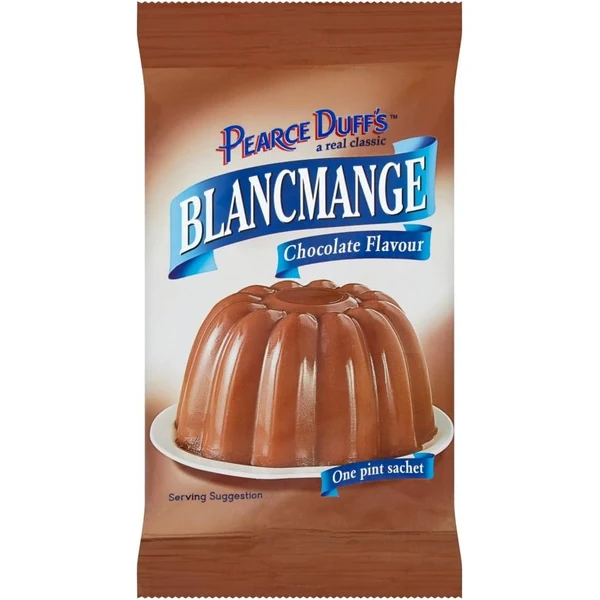
Cocoa-forward sachet for a darker pudding that pairs well with cream or a grating of dark chocolate.
Check PriceRaspberry blancmange powder targets cooks who want the wobble of a classic milk pudding but prefer a tangier top note than strawberry usually provides. The sachet still depends on cornflour to thicken sweetened milk; flavouring and colouring shift the sensory profile toward brambly fruit.
Cooking steps do not change: heat milk, whisk in powder, boil gently while stirring, chill. Because acidity can influence how we perceive thickness, some tasters describe raspberry sets as slightly firmer than pink strawberry versions made in the same pan. If yours feels too stiff, shorten the boil next time by a few seconds and note the difference.
Coulis is the natural partner. Simmer frozen raspberries with a spoon of sugar, pass through a sieve, and cool. Pooled under a turned-out mould, the sauce makes the pudding look restaurant-plated. White chocolate curls add contrast without fighting the fruit.
Cheesecake-adjacent ideas appear on blogs: crush biscuits, press into glasses, chill, then layer blancmange once cold. Raspberry’s colour signals guests that they are not getting plain vanilla. Keep layers thin so spoons break through evenly.
Compared with strawberry blancmange powder, raspberry often carries a slightly more adult personality. It can follow fish or poultry mains without feeling as nursery-sweet, especially if you garnish with fresh mint rather than sprinkles.
If you are serving chocolate blancmange the same week, think about colour rhythm on the menu—dark pudding one night, ruby the next keeps meals visually varied. Vanilla works as a neutral buffer if you need a palate cleanser between bolder desserts.
Texture troubleshooting remains standard. Lumps mean the powder was dumped in too quickly; sieve the hot mix if needed before pouring. Skin on top means you should cover the surface as it cools. Graininess after refrigeration sometimes indicates freezing and thawing—avoid the freezer entirely.
Shopping tips: check whether the packet lists real fruit powder or only flavouring. Either can taste pleasant, but expectations differ. Also compare number of servings; dinner parties may need two sachets even when the box looks large.
Allergen diligence stays important. Berry-flavoured lines sometimes carry “may contain” warnings for other fruits or nuts depending on factory scheduling. Read every label when guests bring dietary requirements.
Plant-milk experiments belong in a cautious bracket. Soy and oat milks can curdle or refuse to thicken predictably with some starch blends. If you must try, keep the batch small and note brands that succeed for you personally.
Transport and storage mirror other blancmange types. Cool quickly after cooking, refrigerate covered, eat within a few days. For picnics, individual jars with tight lids travel more safely than a large mould that might crack if jostled.
Seasonally, summer raspberries from Scottish growers make fresh garnish unbeatable. In colder months, rely on frozen fruit for the sauce and let the powder carry the main perfume. Either way, the dessert still feels British and familiar.
Entertaining note: practice unmoulding once on a plate you do not need for guests. If the shape tears, chop the pudding into cubes, layer in a trifle bowl, and declare it intentional. Guests care more about taste than geometry.
For stocking up, browse where to buy guidance and cross-check against your usual supermarket layout—some chains shelve dessert mixes near baking chocolate, others near jelly. The home page summarises how cornflour-based powders behave if you are new to the category altogether.
Above all, trust your whisk and your thermometer finger: the mixture should coat the back of a spoon before you pour. Nail that moment, and raspberry blancmange rewards you with a clean slice and a burst of fruit on the nose.
Afternoon tea contexts suit this flavour particularly well. Mini moulds release bite-sized pieces that sit neatly beside finger sandwiches and scones without stealing focus. If you lack traditional copper shapes, silicone cupcake moulds work as long as you grease them lightly first.
Wine pairing is optional for family tea, yet worth noting for adults-only dinners. Off-dry sparkling or a light gamay can echo the fruit without clashing against dairy sweetness. Keep pours modest because the pudding itself already delivers sugar.
Budget-conscious households can stretch one sachet by pouring into taller glasses and relying on whipped cream to fill volume. The visual still reads generous, especially with a vivid coulis base. Document what ratio pleases your household so you can repeat it confidently.
School-holiday projects might include letting children paint the inside of a clear glass with cooled coulis stripes before you pour the warm blancmange—art and pudding in one. Chill until fully set so the lines stay crisp rather than muddy.
Hygiene basics bear repeating: wash hands before unmoulding, use serving tools that have not touched raw meat earlier in the day, and return leftovers to the fridge within two hours of coming to room temperature in a warm kitchen.
Keep a spare sachet in the cupboard for surprise guests; raspberry’s bold colour signals effort even when preparation took under twenty minutes of active time.
Harriet Cole, Norwich. Packet instructions override general tips whenever they differ.